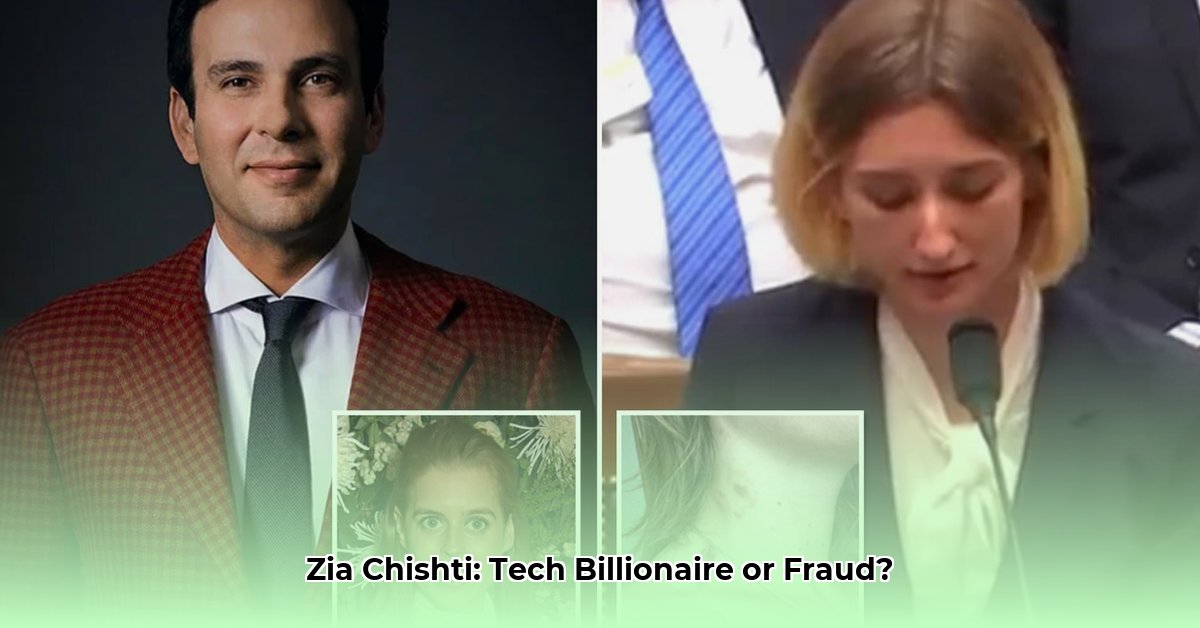
Zia Chishti Net Worth: A Story of Innovation and Controversy
Zia Chishti, the name evokes both admiration and controversy. He's the visionary behind Invisalign (a revolutionary orthodontic treatment) and the driving force behind Afiniti, a prominent technology company. His accomplishments are undeniable, yet his story is far from straightforward. Determining his precise net worth proves challenging, intertwined as it is with the complexities of privately held businesses and ongoing legal battles. This article delves into his career, exploring the factors contributing to his wealth alongside the significant legal accusations that have profoundly impacted his public image and financial standing.
From Innovation to Accusations: Chishti's Complex Legacy
Chishti's contributions to the tech world are significant. Invisalign alone transformed the orthodontics industry, and his entrepreneurial ventures have drawn substantial investment. His numerous awards and accolades underscore his influence. However, quantifying his net worth remains elusive due to the private nature of many of his holdings and the ongoing legal proceedings against him. The impact of these legal challenges cannot be ignored when assessing his overall financial picture.
The Legal Battles: A Significant Financial and Reputational Impact
A 2019 sexual harassment and assault lawsuit resulted in a substantial judgment against Chishti, significantly altering public perception and raising ethical questions. The specifics remain clouded by ongoing legal disputes and Chishti's appeals, making a precise assessment of his net worth even more difficult. This legal cloud highlights how personal conduct can dramatically influence financial standing and lasting legacy. The ongoing legal battles present a substantial uncertainty in calculating his current net worth.
Beyond the Numbers: Reputation and Long-Term Consequences
Evaluating Zia Chishti's net worth demands a holistic approach, incorporating factors beyond mere assets and liabilities. The legal battles have undoubtedly tarnished his reputation, potentially impacting future investments, partnerships, and business prospects. His story serves as a potent reminder that even remarkable financial success can be overshadowed by ethical missteps. The long-term effects of his legal problems are likely to continue influencing his financial standing for a significant duration.
The Unfolding Narrative: Uncertainty and Future Outlook
The present ambiguity surrounding Chishti's net worth stems from the ongoing legal proceedings and their unknown outcome. His legacy will inevitably be a complex blend of technological innovation and significant ethical challenges. The case serves as a cautionary tale, underlining the delicate balance between ambition and responsibility in the high-stakes world of technology and finance. The full extent of these legal battles' impact on his net worth remains unresolved. It's a story still unfolding, and a comprehensive understanding will likely require the passage of further time.
Mitigating Reputational Risk in the AI Industry: Lessons from Chishti's Case
Key Takeaways:
- Founder scandals can severely damage AI startup reputations.
- Rapid, decisive action is crucial to manage the immediate fallout.
- Transparency and open communication build trust.
- Proactive, comprehensive risk management is paramount.
- Rebuilding trust requires a continued, visible commitment to change.
Zia Chishti's experience underscores the vulnerability of reputation in the tech industry. How can AI startups avoid similar crises? Proactive risk management and robust crisis communication strategies are crucial.
Immediate Actions: Containing the Damage
The initial response to a founder scandal is paramount. Effective actions include:
- Forming a Crisis Management Team: This team should comprise legal experts, PR professionals, and senior leadership. Their collaborative expertise is crucial.
- Prioritizing Internal Communication: Addressing employees promptly and openly is crucial to prevent internal anxieties and leaks.
- Crafting a Public Statement: A carefully worded statement acknowledging the situation while avoiding premature conclusions or admissions is of utmost importance. The statement must also commit to addressing the matter.
- Temporarily Suspending Public Communications: This prevents spreading misinformation and allows for more measured responses.
Long-Term Strategies: Restoring Trust
Rebuilding trust requires a sustained effort:
- Independent Investigation: An unbiased inquiry into the situation is necessary to reveal the facts and address accountability concerns.
- Policy Overhaul: Review and update internal policies to uphold ethics, compliance, and governance.
- Stakeholder Engagement: Openly addressing concerns with investors, customers, and staff builds confidence.
- Proactive Risk Management: Regular risk assessments, updated crisis plans, and employee training are crucial long-term strategies.
Robust corporate governance structures provide a crucial framework for mitigating reputational risks. These structures define roles and responsibilities, improving checks and balances.
Proactive Measures: Prevention as the Best Defense
Prevention is superior to cure. Proactive strategies include:
- Thorough Due Diligence: Rigorous background checks and reference verifications at the founder recruitment stage are vital.
- Strong Governance Policies: Clear-cut guidelines on ethical conduct for founders and staff serve as a defense against future scandals.
- Regular Audits: Internal audits help to identify and manage potential future risks promptly and efficiently.
By implementing these proactive measures, AI startups can significantly mitigate reputational risk. Building a strong foundation of trust and ethical practice is vital for long-term success and sustainability. The stark contrast between Chishti’s rise and fall serves as a compelling illustration of this principle.